
Compliance Is Not a Cost—It Is Your Competitive Moat How Recent Developments in Hungary Should Be Understood by Chinese Companies Investing in Europe
By China–Europe Business Association (CEBA)
Recent regulatory actions involving several Chinese-invested projects in Hungary, including investigations, fines, and compliance reviews related to environmental protection, workplace safety, and permitting requirements, have attracted considerable attention. At the same time, the Hungarian government has announced stricter environmental enforcement measures and substantially higher penalties for regulatory violations.
These developments have inevitably raised concerns among many Chinese companies planning to invest in Europe. Some have begun asking whether Europe is becoming less welcoming to Chinese investment, or whether it is still the right time to expand into the European market.
Our view is clear: these developments deserve serious attention, but they should not lead to a misunderstanding of Europe's investment environment.
Europe has not closed its doors to Chinese enterprises. On the contrary, it remains one of the world's most important strategic destinations for China's advanced manufacturing industries. Whether in electric vehicles, battery technologies, energy storage, photovoltaics, industrial automation, or high-end equipment manufacturing, Europe continues to offer world-class market opportunities, technological ecosystems, and industrial capabilities.
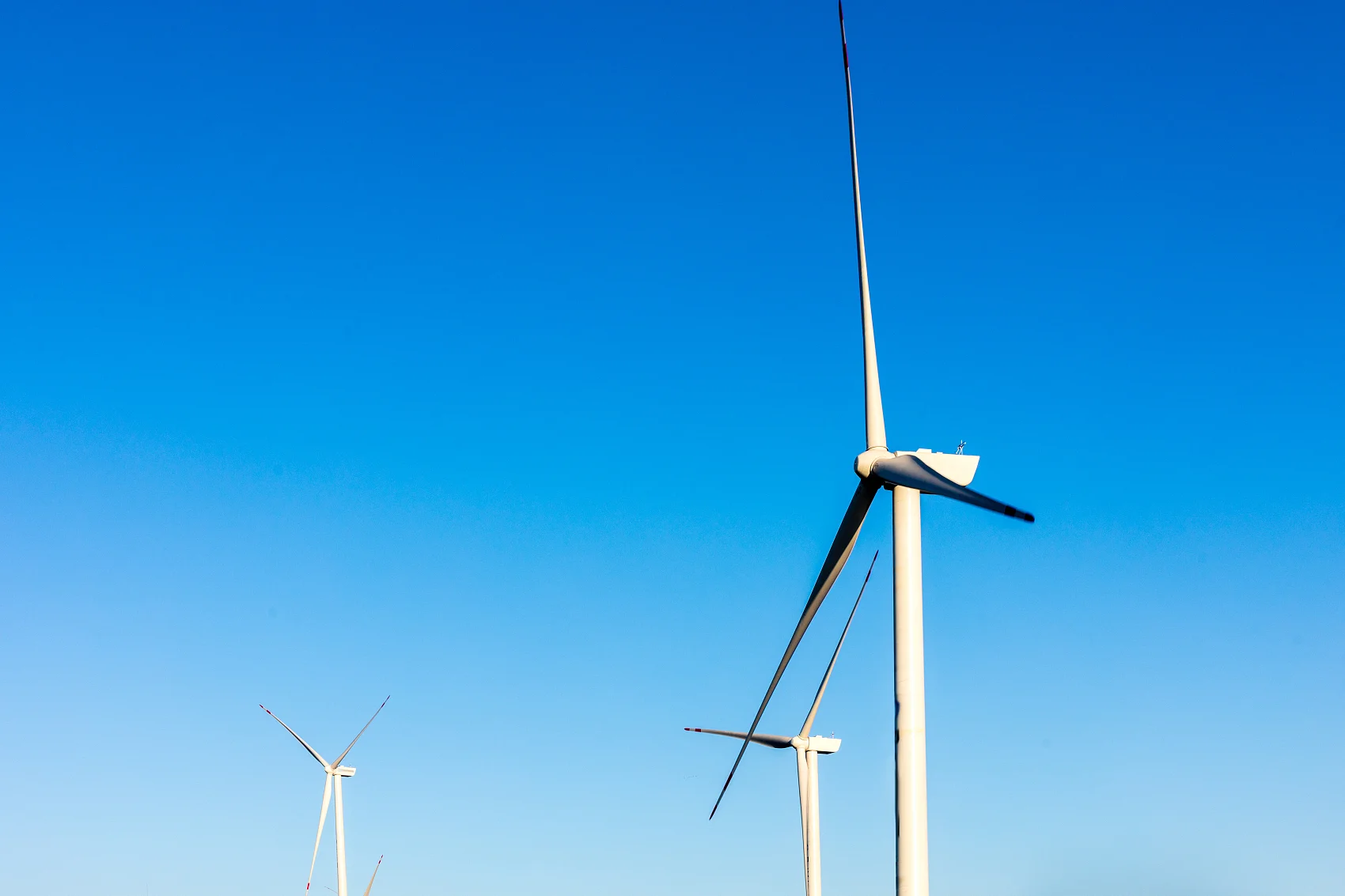
Over the past decade, Chinese companies have become indispensable contributors to Europe's clean-energy value chain. Countries such as Hungary and Spain continue to attract significant investments in advanced manufacturing and sustainable technologies. What has changed is not Europe's willingness to welcome investment, but the maturity and rigor of its regulatory framework.
Across the European Union, legislation covering ESG, environmental protection, occupational health and safety, supply chain due diligence, corporate governance, data protection, and sustainability has evolved rapidly. These regulations apply equally to all companies, regardless of whether they originate from Europe, the United States, Japan, or China.
For Chinese enterprises, this means that success in Europe can no longer rely solely on competitive pricing, manufacturing efficiency, or project execution speed. Sustainable success increasingly depends on an organization's ability to operate within internationally recognized legal and governance standards.
Many Chinese manufacturers have achieved remarkable growth by focusing on technological innovation, operational efficiency, production capacity, and market expansion. However, compared with global best practices, investment in compliance management, stakeholder engagement, environmental governance, labor relations, and corporate reputation has often received less attention.
As companies expand internationally, these previously overlooked capabilities become critical determinants of long-term success.
For this reason, recent developments in Hungary should be viewed as an important reminder rather than a negative signal.
They remind us that globalization has entered a new stage.
Future competition will no longer be defined solely by products, technologies, or prices. Increasingly, it will be determined by the overall quality of corporate governance.
Whether an industrial project can obtain approvals and operate successfully in Europe depends not only on the scale of investment, but also on whether the company maintains robust environmental management systems, complies consistently with occupational health and safety requirements, builds long-term trust with governments, communities, media, and stakeholders, and becomes an integral part of the local industrial ecosystem.
In this context, compliance is no longer simply a legal obligation—it has become a strategic capability.
Many companies continue to view compliance as an additional operating expense.
The world's most successful multinational corporations see it differently.
They regard compliance as a long-term strategic investment.
A single compliance failure can delay projects, suspend permits, damage corporate reputation, increase financing costs, and undermine future expansion opportunities across the European market. Conversely, companies that demonstrate transparent, responsible, and consistent operations gradually accumulate trust—from regulators, customers, financial institutions, employees, business partners, and local communities.
Over time, that trust evolves into one of the most valuable competitive advantages a company can possess.
Compliance is the deepest moat protecting a company's global competitiveness.
For Chinese manufacturing companies, the greatest opportunity today is not merely exporting products to Europe. It is becoming an integral part of Europe's industrial ecosystem.
This integration goes far beyond building factories. It requires integrating into European legal frameworks, business culture, industrial standards, corporate responsibility practices, and mechanisms for creating shared value.
Only by understanding the rules, respecting the rules, and operating within the rules can Chinese enterprises move beyond simply entering Europe toward becoming trusted long-term participants in Europe's economic development.
The China–Europe Business Association firmly believes that the future of Chinese globalization should not be built upon concerns about regulation, but upon a deep understanding of it.
Rules are not barriers.
They are the common language of international business.
Compliance is not a burden.
It is a brand asset.
A brand is not created through marketing alone.
It is built through years of trustworthy, responsible, and consistent business conduct.
Looking ahead, China and Europe will continue to share broad opportunities for industrial cooperation. China contributes one of the world's most comprehensive manufacturing ecosystems and remarkable innovation capabilities. Europe offers sophisticated markets, advanced technologies, strong institutions, and globally respected governance standards.
The relationship between China and Europe is not a zero-sum competition. It is a long-term partnership built on complementarity and mutual value creation.
We therefore encourage more Chinese enterprises to approach the European market with professionalism, openness, and a long-term perspective. By respecting local laws, strengthening corporate governance, enhancing compliance capabilities, and building globally trusted brands, Chinese companies can make meaningful contributions to Europe's green transition, technological innovation, and industrial modernization.
The most successful global companies are not those that simply cross borders, but those that successfully bridge different institutional systems.
The greatest brands are not those that merely win market share, but those that earn enduring trust.
That is the next stage of China's globalization journey.
Related Articles