China Is Changing — But Is Europe Changing Its Understanding of China?
By China-Europe Business Association (CEBA)
For many European companies, China remains an important market, but the way China is understood has not always kept pace with the speed at which the country itself is changing.
Much of today's European business discussion about China is still influenced by experiences formed between 2015 and 2020. China was widely seen as the world's manufacturing base: highly efficient, increasingly sophisticated, but still largely defined by cost advantages, exports and its role in global supply chains. European companies brought technology, brands and industrial know-how; China offered manufacturing capacity, a rapidly expanding market and an increasingly capable supplier base.
That picture was never complete, but today it is even less so.
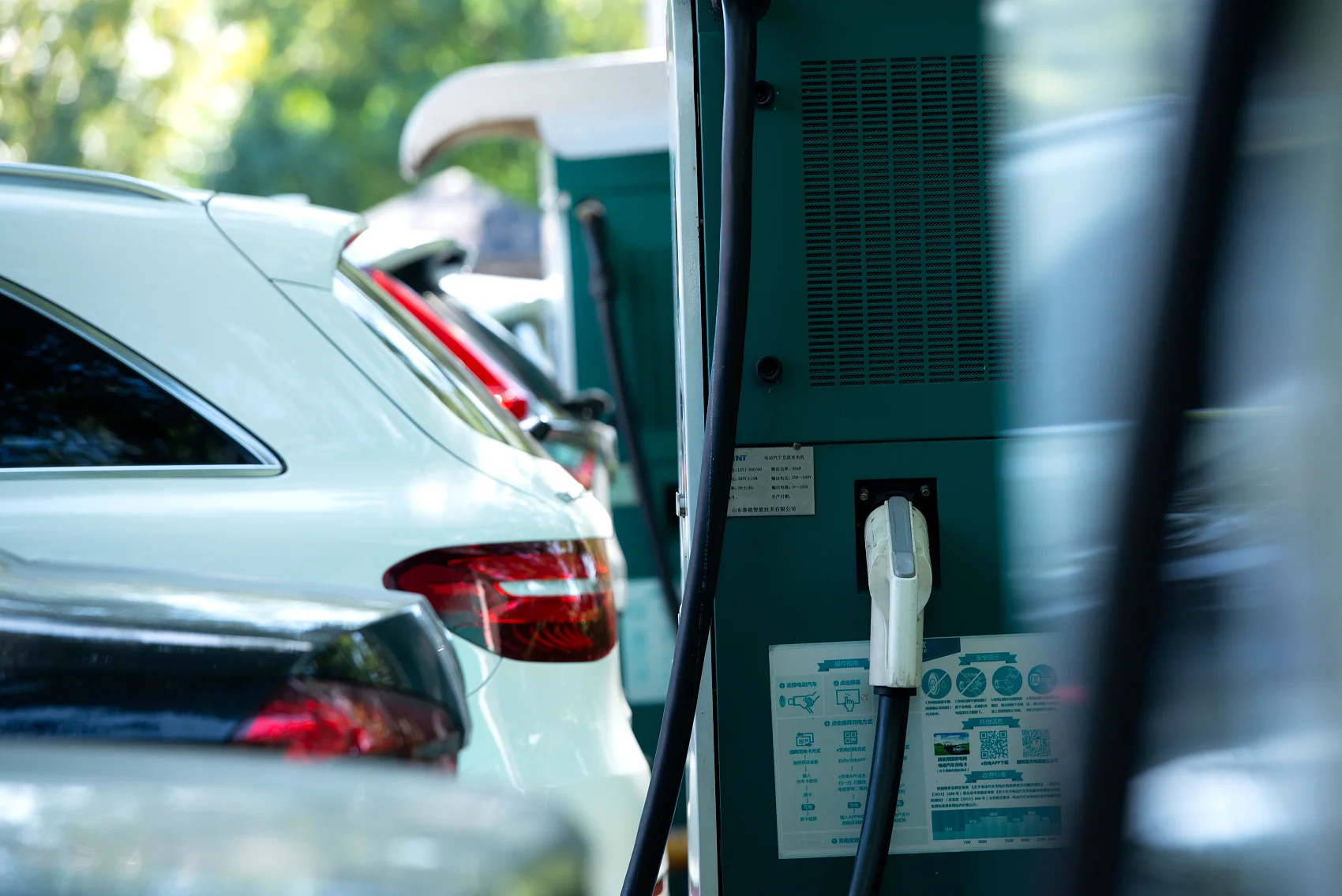
Over the past several years, the structure of the Chinese economy has continued to shift. Advanced manufacturing has become more important. Chinese companies have moved rapidly in electric vehicles, batteries, energy storage, robotics, artificial intelligence, industrial automation and green technologies. In many of these industries, they are no longer simply manufacturing products designed elsewhere. They are developing technologies, building their own brands, setting standards and competing internationally.
This has created an understandable sense of unease in parts of European industry. Companies that once regarded China primarily as a production location or a large export market increasingly encounter Chinese competitors at home, in China and in third markets.
This change should be taken seriously. But it should not lead to an overly simple conclusion that China has become only a competitor.
For European businesses, the more useful question is how the nature of opportunity in China is changing.
China is no longer an easy market. Competition is intense, customers are more demanding, domestic suppliers are stronger and the speed of innovation can be difficult for foreign companies to match. A European brand name alone is no longer enough to guarantee market acceptance.
Yet Europe continues to possess capabilities that matter greatly to China's next stage of industrial development: engineering expertise, specialized industrial technologies, precision manufacturing, healthcare solutions, scientific research, sustainability expertise, industrial software, advanced materials and decades of experience in building trusted global brands.
The relationship, therefore, is becoming more complicated, but also potentially more interesting.
In the past, China-Europe industrial cooperation was often described in relatively simple terms: European technology combined with Chinese manufacturing and market scale. That model is changing. Future cooperation may involve joint research, localized manufacturing, technology partnerships, supply-chain integration, investment in both directions and Chinese and European companies working together in third markets.
This requires a different mindset on both sides.
Chinese companies expanding into Europe need to understand that success cannot be built on cost competitiveness alone. Compliance, environmental responsibility, labor relations, corporate governance, localization and trust within local communities are becoming fundamental business capabilities.
European companies face a different challenge. They need to understand China as it exists today, rather than the China they became familiar with a decade ago.
That distinction matters.
A European industrial company evaluating China today should not simply ask whether the market is becoming more difficult. It should ask where its technology remains differentiated, where Chinese industrial development is creating new demand, which local companies could become partners rather than competitors, and how China might fit into its broader global strategy.
There will inevitably be areas of competition between China and Europe. There will also be disagreements over trade, industrial policy, market access and economic security. These issues should not be ignored or understated.
But competition and cooperation do not have to be mutually exclusive.
China and Europe remain deeply connected through trade, investment, technology, manufacturing and global supply chains. Both are also confronting many of the same long-term questions: how to make industry more productive, how to manage the energy transition, how to apply artificial intelligence to the real economy, how to respond to demographic change and how to maintain competitiveness while pursuing more sustainable growth.
These challenges create room for a new generation of China-Europe business relationships — relationships that are more balanced, more localized and more commercially realistic than those of the past.
At the China-Europe Business Association, we believe the quality of future cooperation will depend increasingly on the quality of mutual understanding. Europe needs a more current and nuanced understanding of China's industrial transformation, just as Chinese companies need a deeper understanding of Europe's rules, institutions, business culture and social expectations.
Neither side benefits from looking at the other through an outdated lens.
China has changed significantly over the past decade, and that transformation is continuing.
The question is no longer whether China is changing. The question is whether European companies are changing fast enough to understand it.
China-Europe Business Association (CEBA)
Connecting China and Europe through business, industry and long-term cooperation.
Related Articles